
The best discounts
Every week you can find the best discounts here.
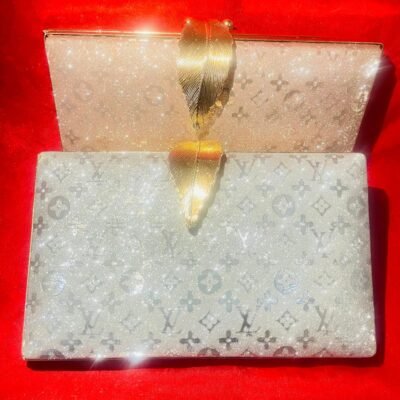
Fancy clutches on reasonable prices
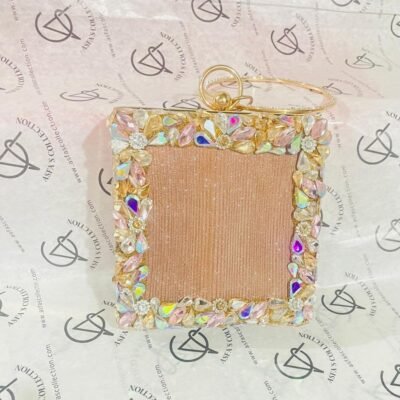
Fancy clutches on reasonable prices
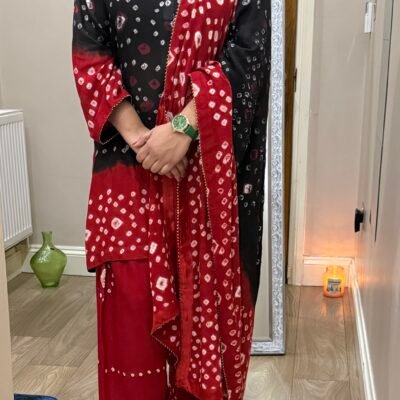
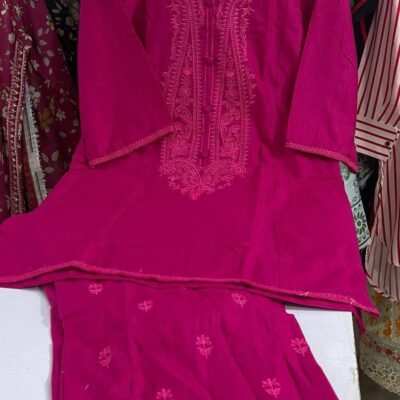
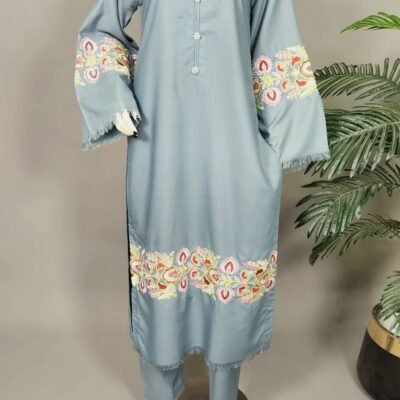
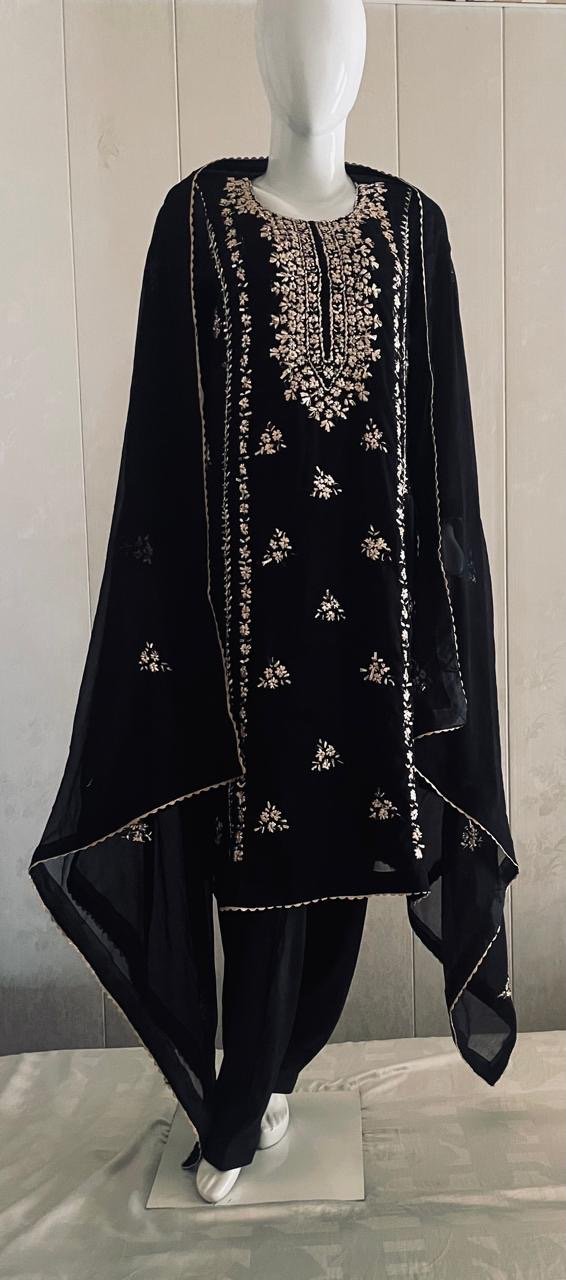
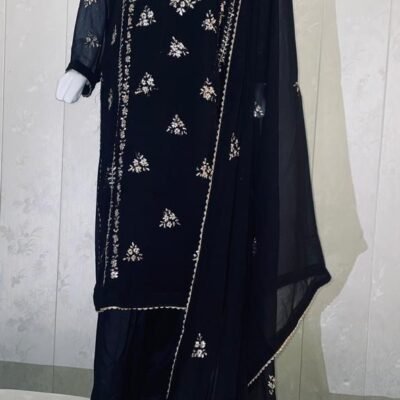
Ready to wear embroidered dress
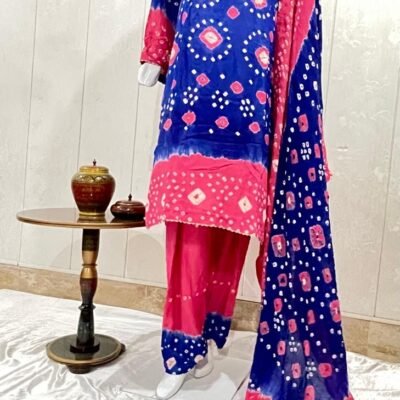
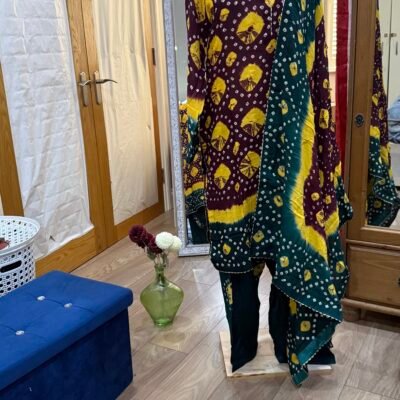
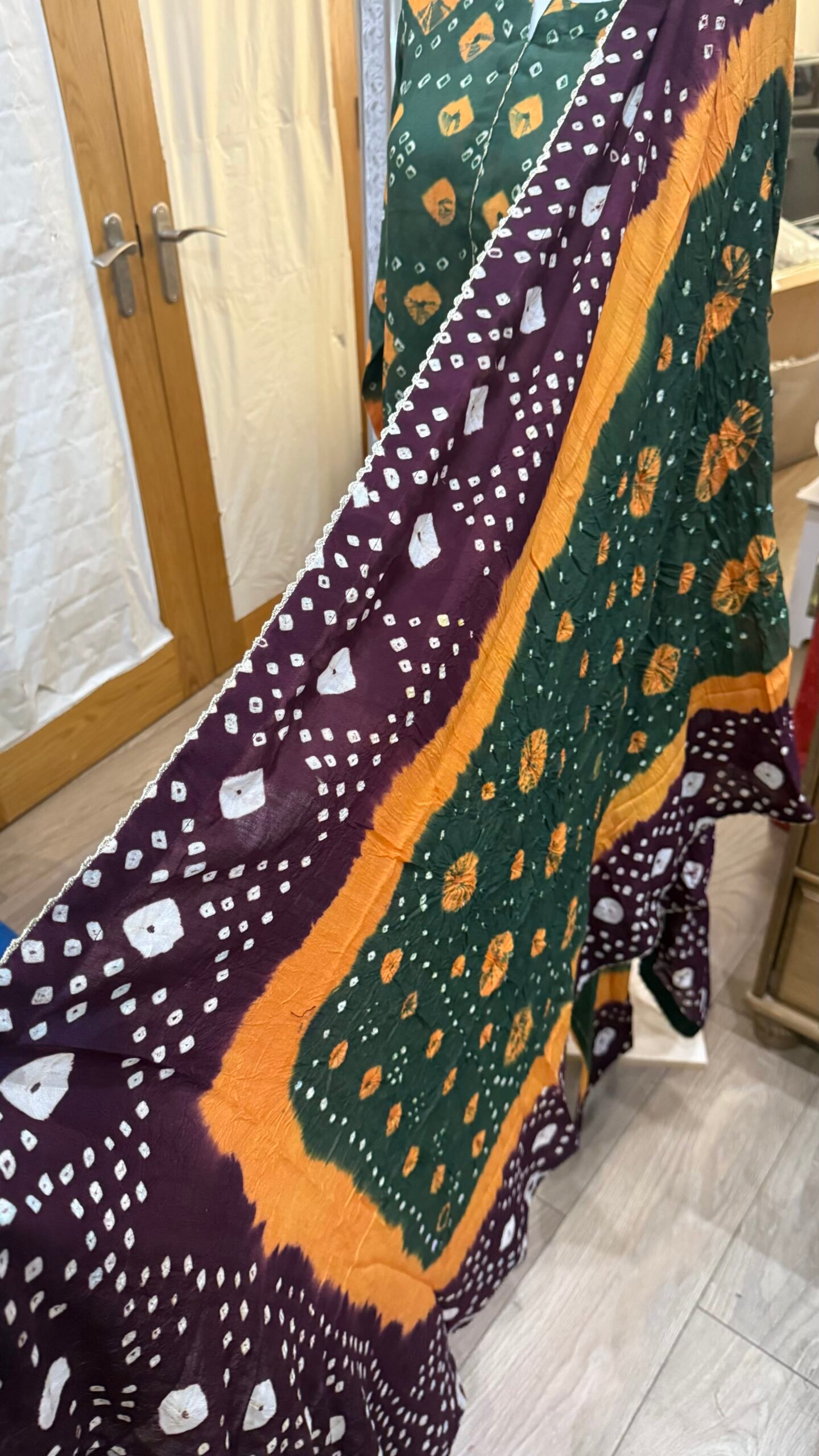
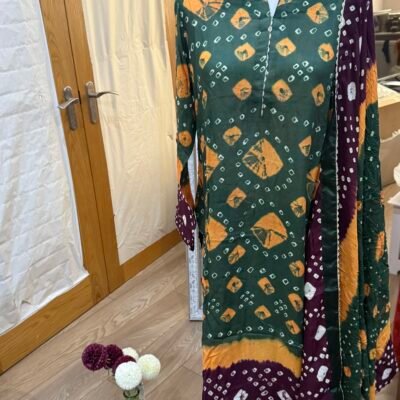
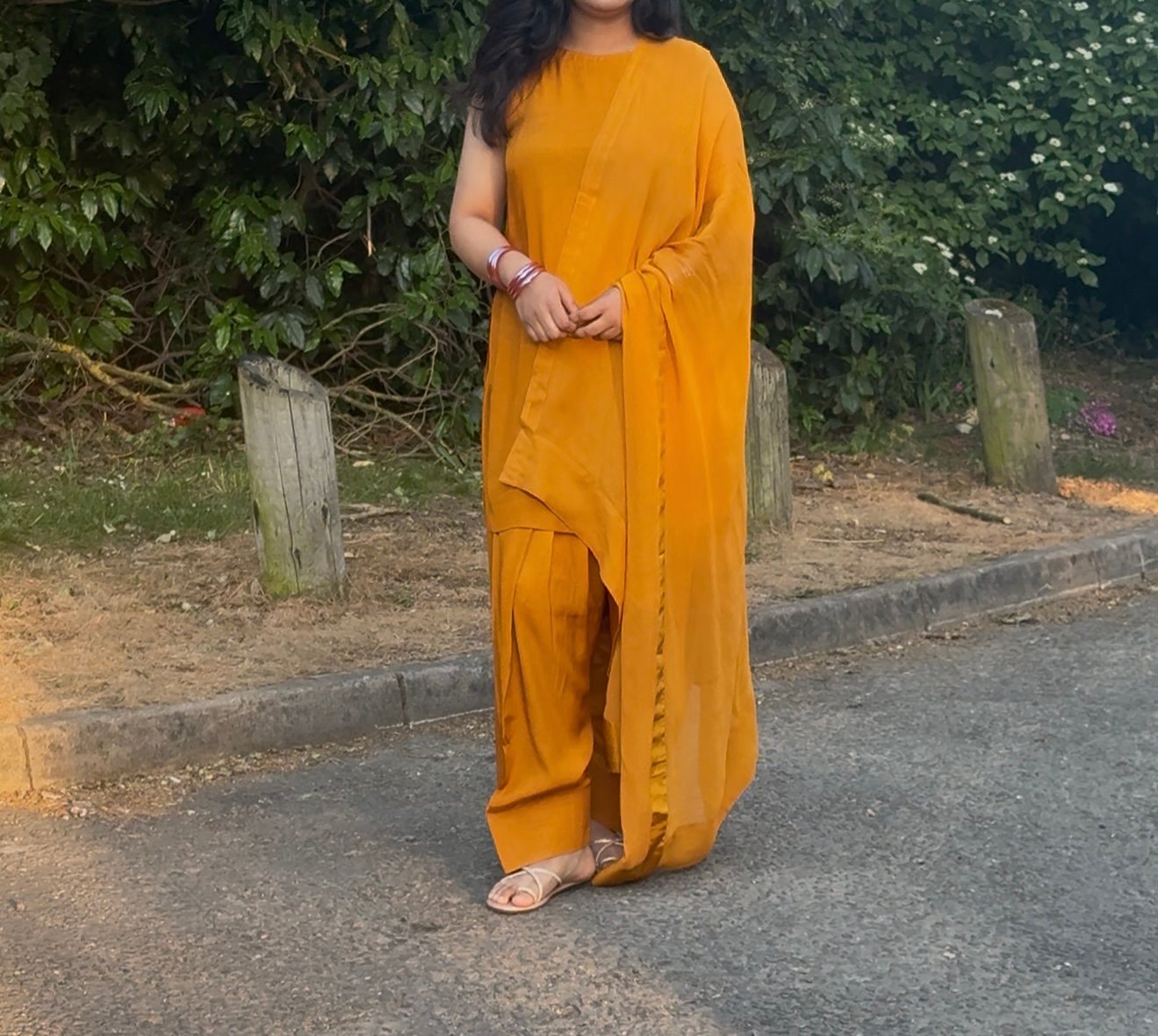
Demanding colour scheme Linen Chunari jorra
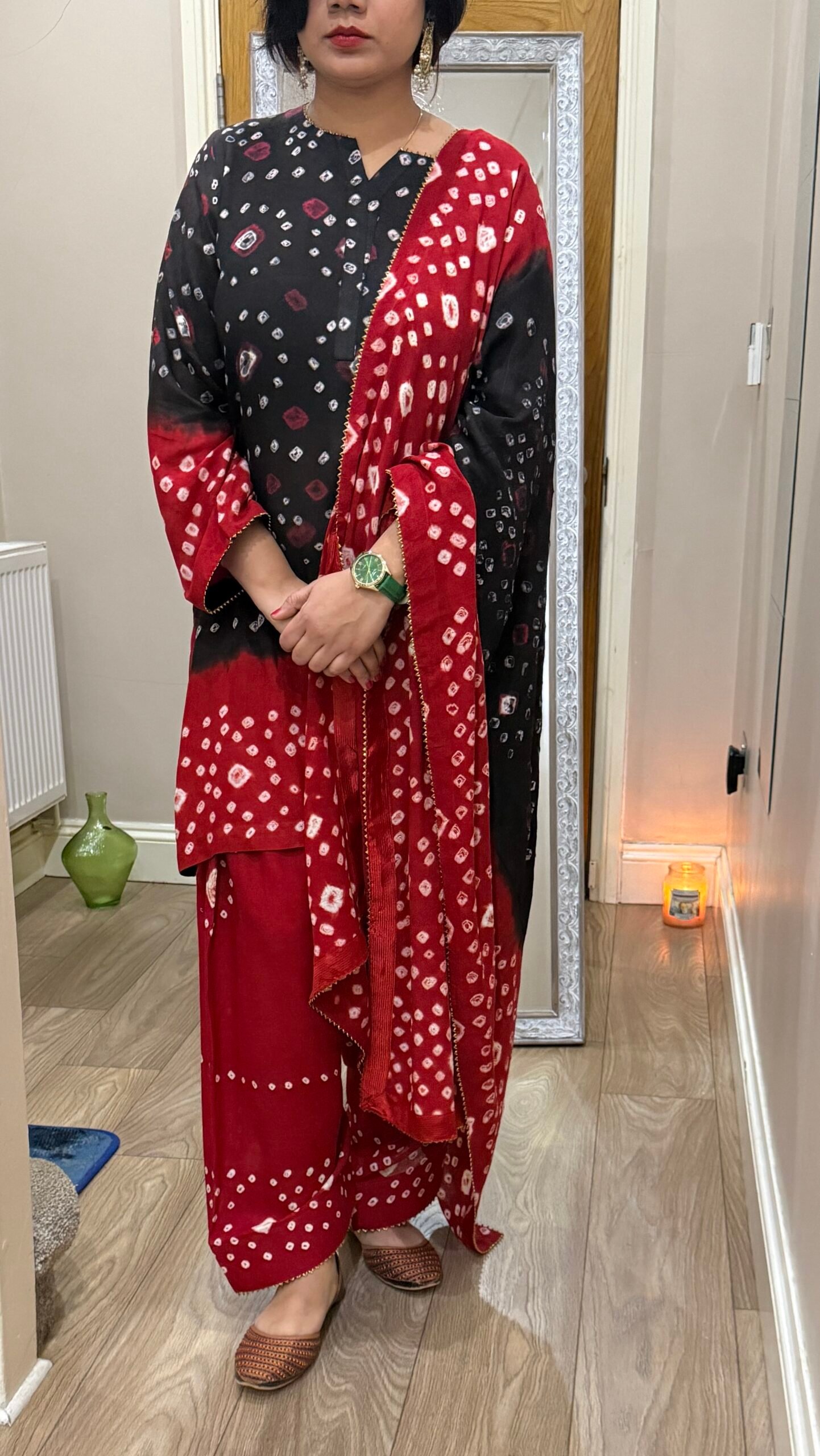


This dress comes as a complete 3pcs set.
Ready to wear.
- We do worldwide shipping on Extra-charges.
- Please contact for shipping shipping charges.
- Satisfaction Guarantee – We want you to love our products! If you are not completely satisfied, let us know, and we will work to resolve the issue.
- No Returns – Items once purchased cannot be returned.
- One-Time Exchange – You may exchange an item once within 7-10 days of receiving it, provided it is unworn, unaltered, unwashed, and in its original packaging.
- Exchange for Wrong or Defective Items – If you receive the wrong item (wrong size, color, or design) or a defective item, you may request an exchange for the same product.
- Exchange Process – All exchanges must be sent back to the address provided by our customer care agent, and shipping costs will be borne by the customer.
Description
Chunari (also known as Chunri, Chundari, or Bandhani) is a traditional tie-dye textile art deeply rooted in the culture of South Asia, particularly in Abbas Nagar town. The word is derived from the Hindi word Chunari, meaning a cloth covering or scarf.
It is most famous for its vibrant colors and intricate patterns of tiny dots, which are created through a meticulous process of tying and dyeing.
The Craftsmanship (How it’s Made)
The making of Chunari is a labor-intensive art form that has been passed down through generations:
Tying (Bandhej): Skilled artisans pinch small portions of fabric (usually cotton, silk, or chiffon) and tie them tightly with thread to form specific patterns. These knots act as a “resist,” preventing dye from reaching those spots.
Dyeing: The fabric is dipped into vats of brilliant colors. Traditional colors include Red (for marriage), Yellow (for spring/childbirth), and Green (for fertility).
The Reveal: Once dried, the knots are carefully unpicked to reveal white or light- colored “dots” that form geometric or floral designs.
Common Styles & Uses
Chunari is incredibly versatile and appears in various forms of ethnic wear:
Dupattas & Scarves: The most iconic use. A vibrant Chunari dupatta is often paired with plain white or solid-colored Salwar Kameez to provide a “pop” of color.
Chunari attires (wholesale stitch…
and Green (for fertility).
The Reveal: Once dried, the knots are carefully unpicked to reveal white or light- colored “dots” that form geometric or floral designs.
▲ Common Styles & Uses
Chunari is incredibly versatile and appears in various forms of ethnic wear:
Dupattas & Scarves: The most iconic use. A vibrant Chunari dupatta is often paired with plain white or solid-colored Salwar Kameez to provide a “pop” of color.
Sarees & Lehengas: In Rajasthan and Gujarat, Bandhani (Chunari) sarees are staple bridal and festive wear.
Modern Fusion: Today, you’ll find Chunari prints on modern tunics, kurtis, and even western-style scarves and bags.
Cultural Significance
Symbol of Blessings: In many communities, gifting a Chunari is a sign of good fortune. Brides often wear red Chunari veils during their wedding rituals.
Regional Identity: While the technique is similar, patterns vary by region-Multan and Bahawalpur (Pakistan) and Kutch and Rajasthan (India) are world-renowned for their specific style.
Quick Styling Tip
If you’re wearing a heavy Chunari dupatta, keep your outfit simple.
Related products
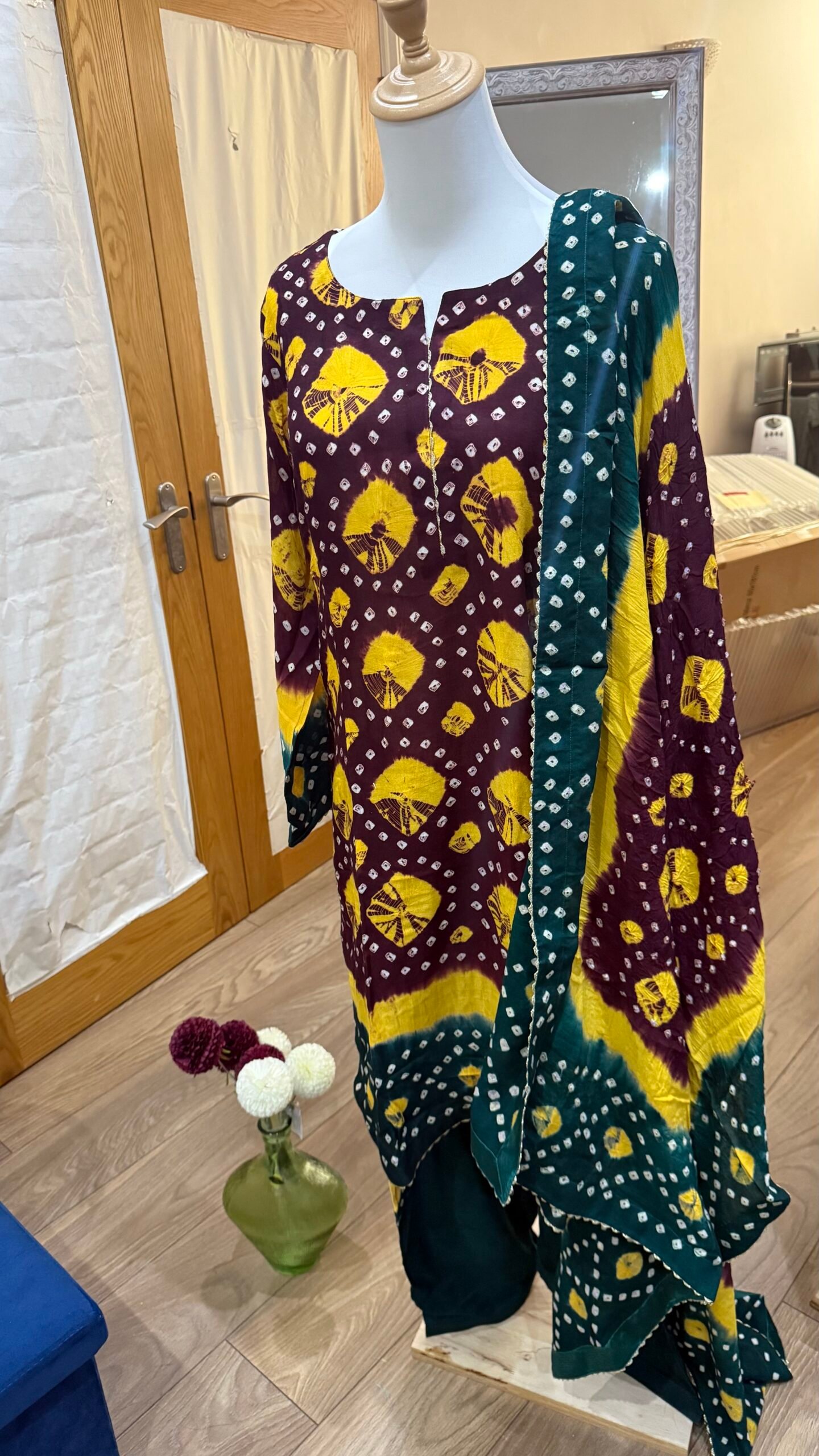
Chunari Chora by Imtisal
Chunari Joraa By Imtisal
Reviews
There are no reviews yet.